Meet the Team: URA Chatbot Development Team
Meet the talented developers, researchers, and engineers who built the URA Chatbot for their final year project.
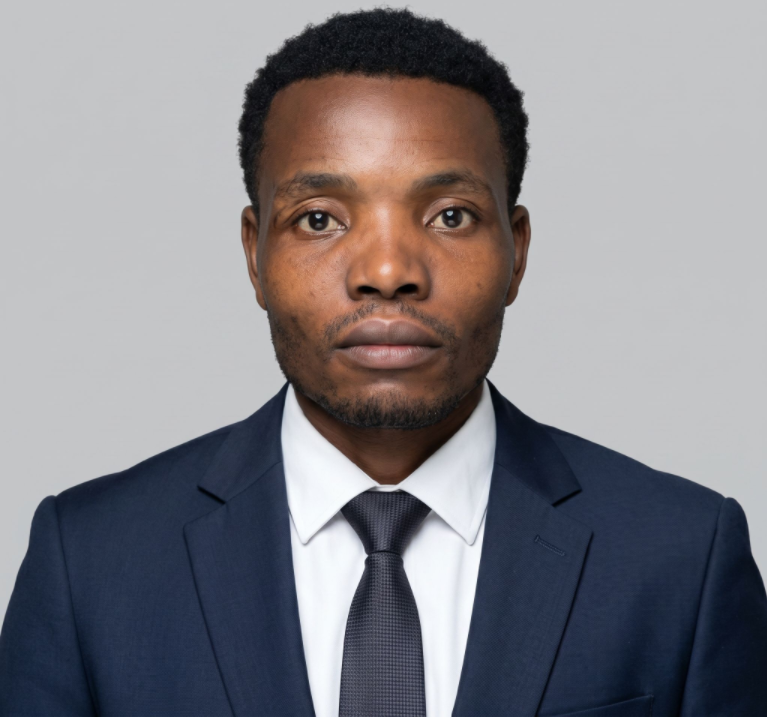
Mpairwe Lauben
Shaped the end-to-end system architecture and owned the machine-learning core — model processing and LoRA fine-tuning for the multilingual RAG engine.
Read deep dive →
Olowo Omondi Philly
Built the FastAPI backend and the services that power it, and engineered the text-to-speech pipeline that gives the chatbot a voice.
Read deep dive →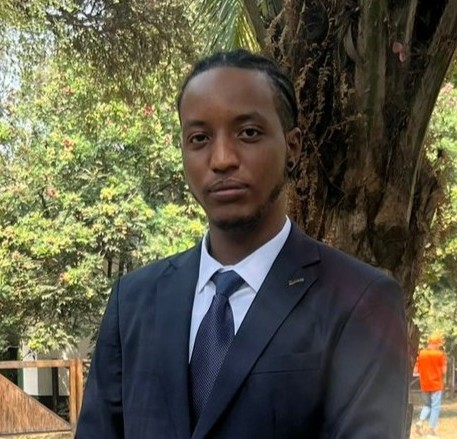
Rwemera David
Designed the taxpayer-facing web experience and built the ingestion pipeline that crawls and structures URA knowledge for retrieval.
Read deep dive →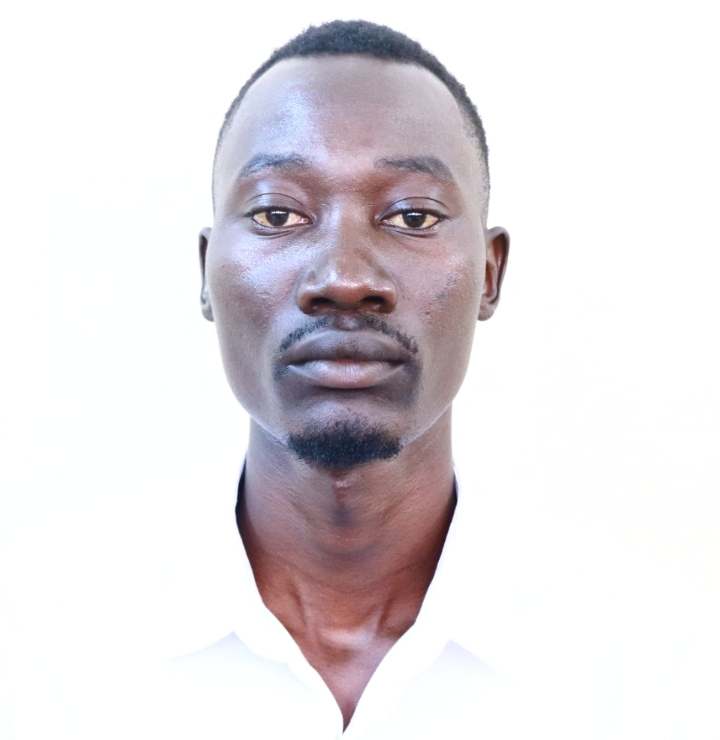
Okwel Edgar Mark
Optimised performance across the stack, built the speech-to-text pipeline, and implemented the security guardrails protecting taxpayer data.
Read deep dive →Combined Efforts
Tasks every member contributed to jointly.
Project Flow — Activity Ownership
How each activity in the App project flow maps to its owner.
| Stage | Activity | Owner |
|---|---|---|
| System design | System Architecture | Mpairwe Lauben |
| ML | ML Processing | Mpairwe Lauben |
| ML | Model Fine-tuning (LoRA adapters) | Mpairwe Lauben |
| Backend | Backend Development (FastAPI / APIs) | Olowo Omondi Philly |
| Voice | TTS Pipeline | Olowo Omondi Philly |
| Frontend | Frontend Design (Web UI/UX) | Rwemera David |
| Data | Ingestion Pipeline (crawl / PDF-CSV ETL) | Rwemera David |
| Performance | Optimization | Okwel Edgar Mark |
| Voice | STT Pipeline (ASR / Whisper) | Okwel Edgar Mark |
| Security | Security Implementation (OWASP LLM, guardrails) | Okwel Edgar Mark |
| Documentation | SDD Writing | All four members |
| Documentation | Report Modelling | All four members |
| Data | Database Modelling | All four members |
| Data | Data Collection | All four members |
| Data | Data Design | All four members |
Meet the Team: URA Chatbot Development Team
Project Collaborators
The URA Chatbot is the final-year project of four computer science students at Makerere University. Each member owned core parts of the system, and the four collaborated closely on the documentation and data foundations that everything else was built on. Their photos, individual contribution roles, the efforts they shared, and the full project-flow ownership are shown above.
How We Worked Together
Division of Labor - **System Architecture, ML Processing & Fine-tuning**: Mpairwe Lauben designed the overall architecture and owned the machine-learning core. - **Backend Development & TTS Pipeline**: Olowo Omondi Philly built the FastAPI backend and the text-to-speech pipeline. - **Frontend Design & Ingestion Pipeline**: Rwemera David built the web experience and the data ingestion pipeline. - **Optimization, STT Pipeline & Security**: Okwel Edgar Mark optimized performance, built speech-to-text, and implemented security.
Combined Efforts All four members worked together on the foundations of the project: - **SDD Writing**: Authoring the software design document - **Report Modelling**: Structuring the final project report - **Database Modelling**: Designing the data schema and relationships - **Data Collection**: Gathering URA tax content and query data - **Data Design**: Shaping how data is organized for retrieval
Collaboration Tools - **GitHub**: Version control and code review - **GitHub Issues**: Task management and bug tracking - **GitHub Projects**: Sprint planning and progress tracking - **GitHub Actions**: Automated testing and deployment
Development Process 1. **Sprint Planning**: Bi-weekly sprints with clear goals 2. **Code Review**: Every pull request reviewed by at least 2 team members 3. **Pair Programming**: Complex features developed collaboratively 4. **Testing**: Unit, integration, and end-to-end testing by all team members 5. **Documentation**: Each feature documented by its developer
Project Stats
- Total Commits: 1000+ commits to main repository
- Lines of Code: 50,000+ lines across all components
- Test Coverage: 85% of codebase covered by automated tests
- Documentation: 100+ pages of technical documentation
- Security Scans: 10+ different security tools integrated into CI/CD
- Languages: Python, TypeScript, JavaScript, SQL
- Duration: 12 months from concept to production
Learning Outcomes
Through this final year project, the team:
- Mastered full-stack development across web, backend, and ML
- Learned production-grade software engineering practices
- Implemented advanced AI/ML concepts in real-world application
- Gained experience with DevOps and infrastructure management
- Understood security and compliance in detail
- Worked effectively as a collaborative team
Acknowledgments
We're grateful to:
- Makerere University: Providing academic support and infrastructure
- Uganda Revenue Authority: For partnering on this impactful project
- Open Source Community: For libraries and tools that made this possible
- Our Mentors: For guidance throughout the project
This project demonstrates what's possible when talented developers collaborate with clear vision and purpose.